
Table of Contents
Joint pain from inflammation can make everyday movement – reaching, lifting, walking, even sleeping on that side.
If joint pain is getting in the way of your daily life, Dr. Pamela Mehta at Resilience Orthopedics can tell you whether a cortisone shot is the right next step for you.
What is a Cortisone Shot?
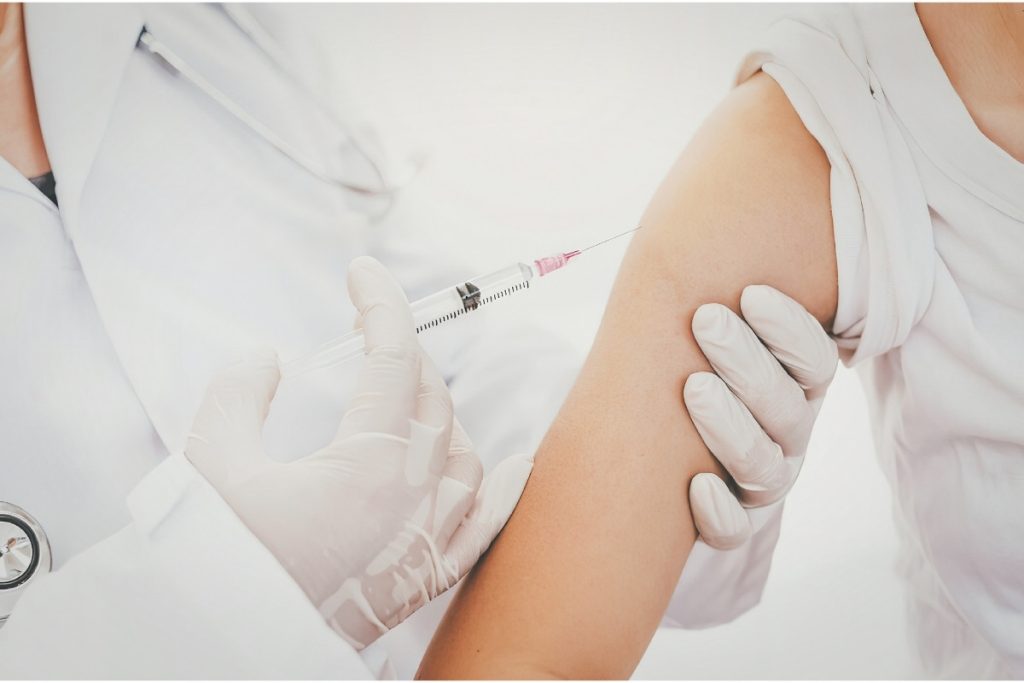
A cortisone shot is an anti-inflammatory injection placed directly into or around a joint to reduce pain and swelling.
It’s commonly used for shoulder impingement, rotator cuff irritation, bursitis, and arthritis flares, though it isn’t limited to those.
Common uses include:
- Shoulder impingement or bursitis
- Arthritis flares in the shoulder, knee, or hip
- Inflamed tendons
- Persistent joint swelling that hasn’t settled with rest
It’s worth knowing what a cortisone shot doesn’t do: it calms inflammation, but it doesn’t repair torn or damaged tissue. Dr. Mehta often uses that calmer window to get you further in physical therapy than the joint would otherwise allow.
Book a Consultation with Dr. Pamela Mehta, MD
The Best Orthopedic Surgeon in San Jose
Dr. Mehta is a board-certified orthopedic surgeon who can help you recover from your joint condition. If you:
- Are Suffering From Pain and Mobility Issues
- Need Orthopedic Assessment and Advice
- Want Treatment From a Top Orthopedic Doctor
We Can Help
Your Cortisone Shot with Dr. Mehta
Dr. Mehta gives the injection in the office, which typically takes ten to fifteen minutes. For joints like the shoulder, she uses ultrasound guidance to place the needle precisely.
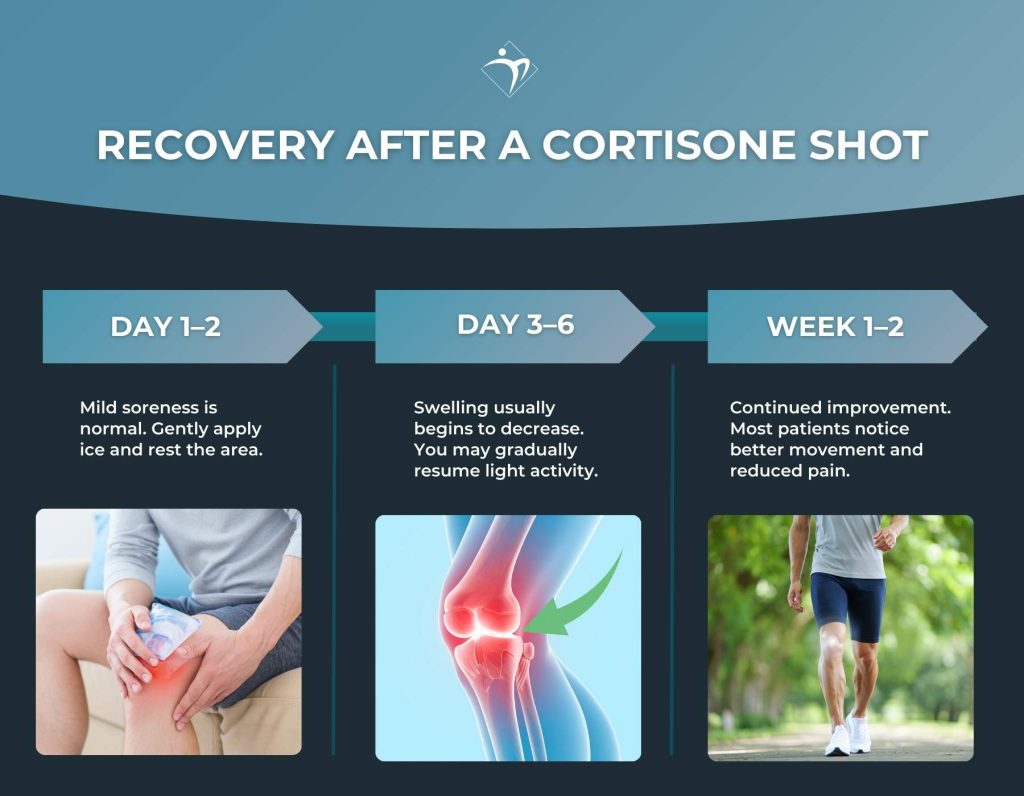
Most injections combine the cortisone with a local anesthetic, so you may feel noticeably better within a few hours. That’s the anesthetic, not the cortisone – it wears off before the cortisone itself takes effect, and it’s common to feel some soreness for 24 to 48 hours before things start to improve.

What to Expect
Relief typically lasts anywhere from several weeks to a few months, depending on the joint and what’s causing the inflammation. It isn’t meant to be permanent – the goal is usually to create enough of a window to make real progress in rehab.
Dr. Mehta generally limits injections in the same joint to three or four a year, to protect the surrounding tissue.
Side effects usually include a short flare of soreness before it settles, slight lightening of the skin at the injection site, or brief facial flushing. Dr. Mehta will talk through anythin
Why Choose Resilience Orthopedics for Cortisone Injections
- Ultrasound-guided precision, especially for shoulder injections
- An honest assessment of whether cortisone is the right tool for your joint, not the automatic default
- A plan beyond the injection, including what happens if it doesn’t hold
- Dr. Mehta throughout, from the decision to inject through to whatever comes next
If It Doesn’t Give Lasting Relief
Not every joint responds to cortisone the same way, and that’s useful information rather than a dead end – it tells Dr. Mehta something about what’s actually driving your pain.
If relief doesn’t last, or you find you need injections often, that’s usually the point where Dr. Mehta will talk you through other options — targeted physical therapy, or regenerative treatments like PRP for joints where repeated steroid injections aren’t the right long-term answer.
FAQs
How Long Does a Cortisone Shot Take to Work?
The local anesthetic often gives relief within hours, but that wears off. The cortisone itself typically takes effect over two to five days, with full benefit by around a week.
Is It Normal to Have More Pain After a Cortisone Shot?
Yes – a short flare in the first 24 to 48 hours is common. It usually settles on its own before the injection’s benefit takes over.
How Many Cortisone Shots Can I Have in a Year?
Dr. Mehta typically limits injections to three or four in the same joint, spaced several weeks apart, to protect the surrounding cartilage and tissue.