
Table of Contents
Shoulder injuries can develop in different ways. Some occur suddenly, while others progress slowly over time.
A labral tear happens when the cartilage that stabilizes the shoulder joint becomes damaged due to trauma, overuse, or instability. It may result from a single injury or repeated stress on the shoulder.
If left untreated, it can lead to ongoing pain, weakness, limited movement, and further joint damage.
At Resilience Orthopedics, we support all types of labral tears. Dr. Pamela Mehta guides you toward the most appropriate treatment and recovery plan so you don’t have to live with ongoing pain.
Book a Consultation with Dr. Pamela Mehta, MD
The Best Orthopedic Surgeon in San Jose
Dr. Mehta is a board-certified orthopedic surgeon who can help you recover from your joint condition. If you:
- Are Suffering From Pain and Mobility Issues
- Need Orthopedic Assessment and Advice
- Want Treatment From a Top Orthopedic Doctor
We Can Help
What is a Shoulder Labral Tear?
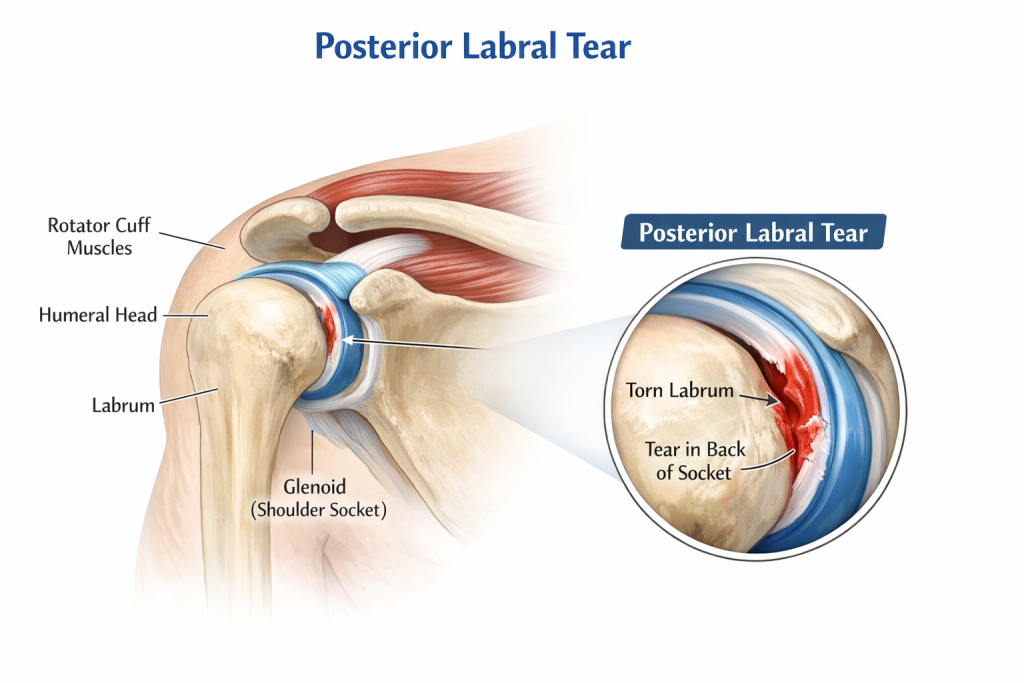
A shoulder labral tear is an injury to the labrum. This is the ring of cartilage that deepens the shoulder socket and helps stabilize the joint. When it is torn, shoulder movement can feel less smooth.
Labral tears are classified by location, as each area can lead to different symptoms and treatment needs. Common types include:
- SLAP tear occurs at the top of the labrum, where the biceps tendon attaches, and is often linked to repetitive overhead movements.
- Bankart tear occurs at the lower front part of the labrum. It is commonly associated with anterior shoulder dislocations.
- Posterior labral tear occurs at the back of the shoulder socket, and is caused by trauma, repeated strain, or pressure on the shoulder.
Even a small tear can affect everyday shoulder function, no matter how it develops.
What Causes a Shoulder Labral Tear?
Shoulder labral tears usually result from aa combination of sudden injury and repeated stress on the joint. Because the shoulder has a wide range of motion, it is also less stable and vulnerable to injury when pushed beyond its limits.
Common causes include:
- Sudden trauma, such as falling on an outstretched arm or a direct impact to the shoulder
- Shoulder dislocation
- Heavy lifting, especially with poor technique
- Age-related wear and tear over time
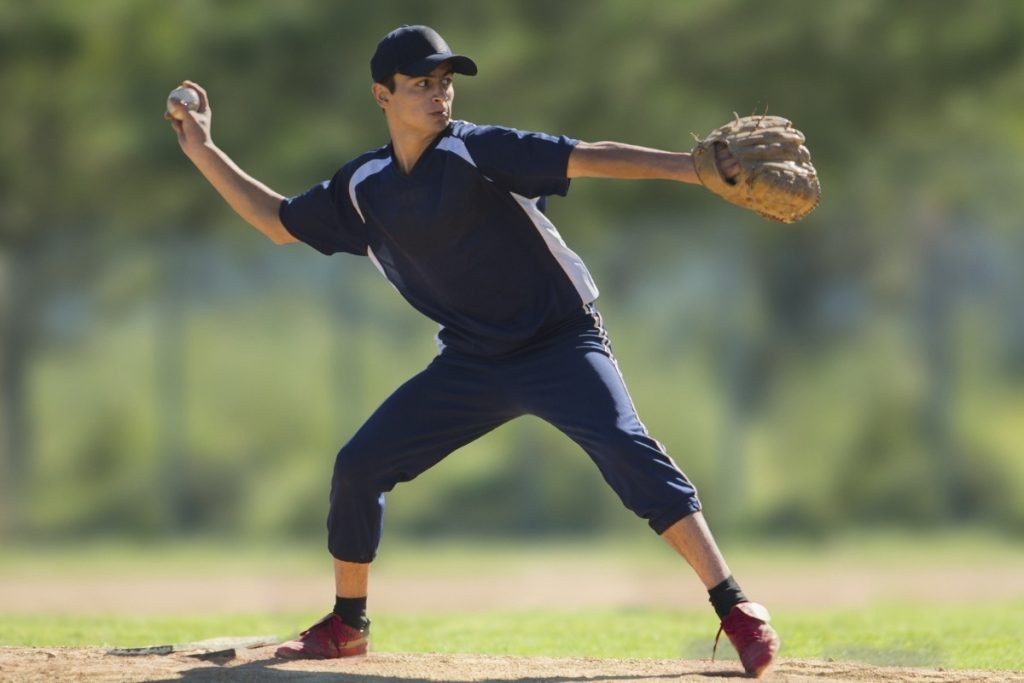
Those most at risk include athletes, manual laborers, and people whose routines involve frequent overhead activity or heavy lifting.
What are the Symptoms of a Shoulder Labral Tear?
Symptoms may start gradually and become more noticeable with use over time. Common symptoms include:
- Deep, aching shoulder pain
- Catching, locking, or grinding sensations
- Weakness or reduced strength
- Limited range of motion
- A feeling that the shoulder may slip or give way
These symptoms can interfere with daily activities such as lifting, reaching, and sleeping comfortably. These symptoms can sometimes overlap with other shoulder injuries. If you are unsure whether your pain is caused by a labral tear or a rotator cuff tear, a specialist evaluation can help clarify the diagnosis.
Shoulder Labral Tear Diagnosis and Treatment
At Resilience Orthopedics, your treatment is a step-by-step process rather than a single visit or diagnosis. We take a thorough look at your condition and create a plan based on your age, lifestyle, goals, and activity level.
Treatment includes hands-on therapy, structured rehabilitation, and ongoing aftercare, with each step designed to support steady progress. The goal is recovery and a shoulder that feels strong, stable, and reliable again.
How Do We Diagnose a Shoulder Labral Tear?
We begin by understanding your symptoms, including when the pain began and which movements make it worse. A hands-on exam is then combined with imaging to understand what is happening inside the joint.
Common diagnostic methods include:
- Physical examination to assess stability and range of motion.
- MRI or MR arthrogram to evaluate cartilage and soft tissue.
- X-rays to rule out bone injuries.
- Functional assessment of movement and strength.

How Do We Treat a Shoulder Labral Tear?
Dr. Mehta takes a personalized approach to treating shoulder labral tears. Rather than following a fixed plan, she starts by understanding your symptoms, lifestyle, and recovery goals.
In most cases, she begins with non-surgical treatment. The focus is on easing pain, restoring movement, and rebuilding shoulder strength and stability over time. Surgery is only considered when it’s truly necessary, and when conservative care isn’t enough to restore function.
Non-Surgical Treatments
Here’s a breakdown of the most common non-surgical options and what you can expect from each:
| Treatment | What it involves | Pros | Cons |
| Physical therapy and guided exercises | A structured rehab program to improve strength, control, and stability | Avoids surgery; helps restore function gradually | Requires time and consistency |
| Activity modification & anti-inflammatory medications | Adjusting daily activities and using medications to reduce irritation | Helps reduce pain; very low risk | May not fully heal the tear; progress can be slow |
| Corticosteroid injections | Targeted injection to reduce inflammation in the shoulder | Can provide quick pain relief | Effects are temporary; repeated use is not ideal |
Surgical Options (if needed)
If symptoms persist despite conservative care, surgical treatment may be recommended. The goal at this stage is to directly address the damaged tissue and restore shoulder stability.
| Treatment | What it involves | Pros | Cons |
| Arthroscopic labral repair | Minimally invasive surgery to reattach the torn labrum | Direct repair; less invasive than open surgery | Requires rehabilitation; carries surgical risks |
| Labral reconstruction or debridement | Repairing or removing damaged tissue to improve joint function | Can improve stability and reduce pain | Longer recovery; potential complications depending on severity |
Will I Recover from a Shoulder Labral Tear?
Recovery from a shoulder labral tear depends on the severity of the tear and the treatment required.
Non-surgical recovery usually takes 6–12 weeks of physical therapy. Surgical repair takes 4–12 months of rehabilitation.
At Resilience Orthopedics, we monitor your progress and adjust your plan as you heal. We aim to restore comfortable shoulder movement so you can return to daily activities.
How Can I Prevent a Shoulder Labral Tear?
Preventing a shoulder labral tear isn’t always possible, especially for athletes or people who use their shoulders frequently. But you can reduce your risk by:
- Strengthening shoulder muscles
- Maintaining good posture
- Using proper technique in sports and daily activities
- Avoiding sudden or extreme movements
We can help you build a shoulder-friendly routine that supports strength and joint protection.
FAQs
Can I Still Play Sports With a Labral Tear?
It depends on the severity of the tear. Small tears may allow continued activity, but overhead or high-impact sports can worsen symptoms. Dr. Mehta helps you stay active safely with a plan that protects your shoulder.
How Do I Know If My Shoulder Pain Is a Labral Tear or Just a Strain?
Labral tears often cause deep pain, weakness, or a catching or grinding sensation. The shoulder may also feel unstable. We use physical exams and imaging to confirm the cause and guide treatment.
Is Surgery Necessary for a Labral Tear?
Not always. Most people improve with physical therapy, gentle strengthening, and activity adjustments. Surgery is only considered when it’s truly needed.
Can a Labral Tear Come Back?
Re-injury is possible if the shoulder isn’t properly strengthened or if movements aren’t done safely. That’s why we focus on rehab, muscle balance, and practical guidance to help prevent future tears.
How Personalized is the Treatment at Resilience Orthopedics?
We take a full-circle approach at Resilience Orthopedics. Every plan is built around your age, lifestyle, activity level, and goals. We tailor care to your needs and comfort at every stage of treatment.
How Soon Will I Notice Improvement?
Some people feel relief within a few weeks of non-surgical care, but full recovery takes time. Dr. Mehta monitors your progress and adjusts your plan as needed, so your shoulder heals safely and steadily.