
Table of Contents
What is a Bone Spur in the Shoulder?
Does your shoulder feel stiff or painful, especially after repetitive use? Chances are you might be dealing with shoulder bone spurs.
Bone spurs, medically known as osteophytes, are bony projections that develop along the edges of bones. These growths are often a result of the body trying to repair itself by adding extra bone in areas where there is joint damage.
Bone spurs are commonly seen in the spine and are often associated with age-related degenerative changes. However, bone spurs can also occur in the shoulder and are a cause of shoulder pain.
The Bone spurs in the shoulder can cause:
- Shoulder pain
- Restricted movement
- Rotator cuff tear
- Shoulder impingement
Proper medical treatment, and potentially surgery, can help you return to your daily activities with little restriction.
Let’s explore a bit more about how bone spur shoulder occurs and ways to effectively treat it below.
Book a Consultation with Dr. Pamela Mehta, MD
The Best Orthopedic Surgeon in San Jose
Dr. Mehta is a board-certified orthopedic surgeon who can help you recover from your joint condition. If you:
- Are Suffering From Pain and Mobility Issues
- Need Orthopedic Assessment and Advice
- Want Treatment From a Top Orthopedic Doctor
We Can Help
Causes
Bones can undergo small, not noticeable injuries from regular activity. Our bodies are always fixing these small injuries for stability. But, when this mechanism overcompensates, a spur forms in areas subjected to ongoing stress or injury. Commonly affected areas include:
So, what causes bone spurs in the shoulder?
The most common reasons for development of bone spurs in the shoulder joint include:
- Degenerative shoulder disease
- Rheumatoid arthritis
- Osteoarthritis
- High-stress shoulder movements
- Joint injury
- Obesity
These joint issues cause local inflammation and wear down the cartilage, which normally cushions the bones. Without enough cartilage, the bones start to rub against each other. To protect the joint, the body creates extra bone, making bone spurs more likely. This inflammatory process can also lead to related conditions such as shoulder synovitis, where the joint lining becomes irritated.
In addition, lifestyle and genetics play a significant role in the development of these growths.
Which Part of the Shoulder is Affected?
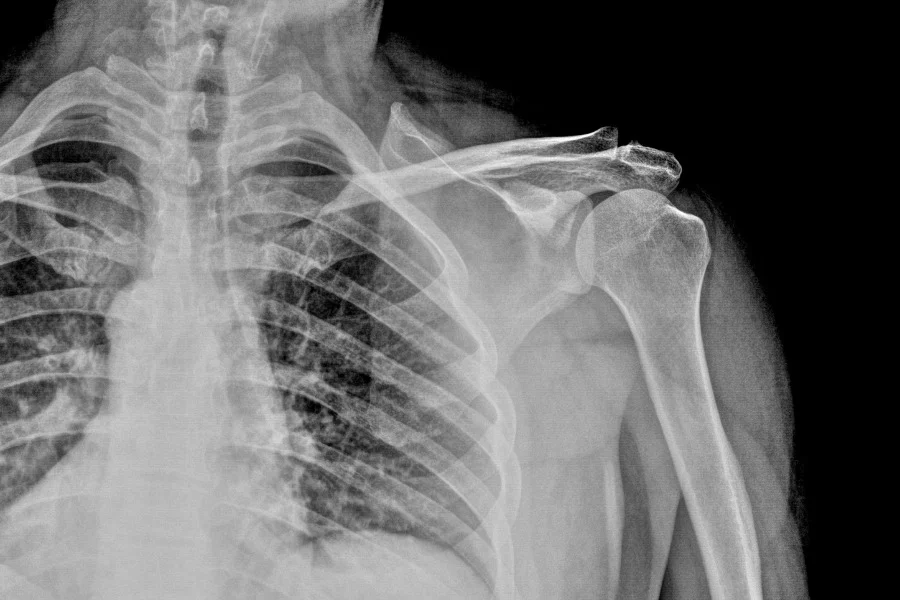
Bone spurs can form in any part of the shoulder, but they are commonly found in the areas that experience the most wear and tear. These areas include the following:
Acromion
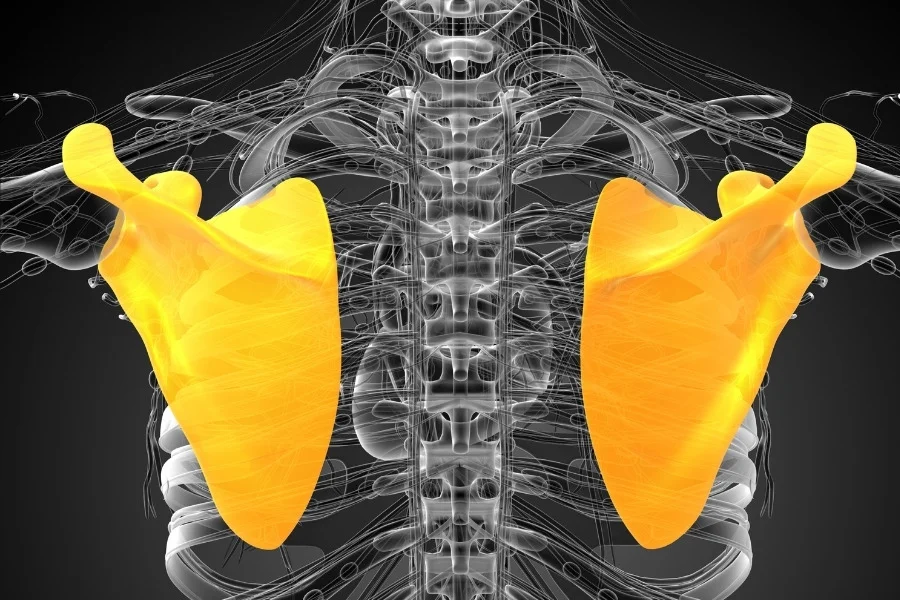
The acromion is the tip of the scapula (shoulder blade) that connects with the clavicle (collar bone). On the acromion, bone spurs typically form on the underside. This is where it interacts with the rotator cuff tendons.
Spurs here are fairly common, especially in older adults and those involved in activities that put stress on their shoulders.
Top of the Shoulder
Bone spurs on top of shoulder often form in the acromioclavicular (AC) joint, where the collarbone meets the shoulder blade.
This location is one of the most common sites for shoulder bone spurs, particularly in older adults and athletes. These are typically due to osteoarthritis and repetitive stress.
Shoulder Blade
Bone spurs on the shoulder blade (or scapula) usually develop along the edges, near the acromion and the glenoid cavity.
These spurs often occur due to osteoarthritis or chronic shoulder injuries. They are less common than spurs on the acromion. They typically occur in people with chronic joint conditions such as gout, bursitis, and arthritis.
Symptoms
One notable aspect of bone spurs is that they do not always show symptoms. You might not know if you have developed a bone spur sometimes until you undergo a medical check-up.
However, if these bony projections keep growing, you may experience the following symptoms.
- Shoulder pain
- Stiffness of joint
- Restricted movement while doing various activities
- Swelling and inflammation around the affected areas
- Muscle Weakness
- Numbness and Tingling
These symptoms can be further exacerbated in individuals with osteoarthritis and impingement syndrome. These co-conditions can lead to periods of intense pain and decreased range of motion. However, proper treatment can help manage these issues effectively.
Shoulder Impingement vs. Spurs
While shoulder impingement and bone spurs have similar symptoms like pain and limited range of motion, these are separate conditions; however, bone spurs are a common cause of shoulder impingement syndrome.
Bone spurs are the pathological overgrowth of bone fragments that can cause frequent pain and stiffness. You might also experience clicking or popping sensations due to the extra bone growth.
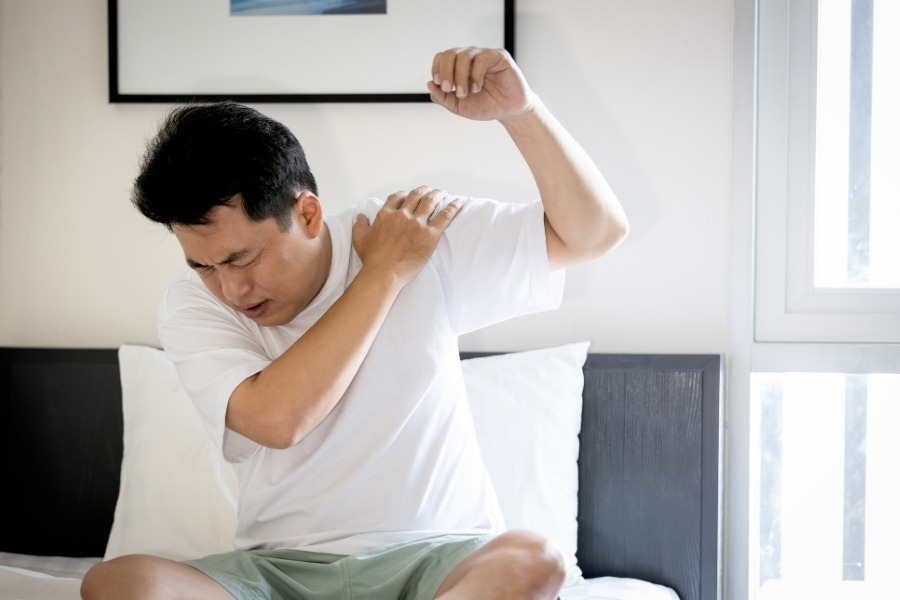
Impingement syndrome usually causes pain when lifting your arm, especially overhead, because the rotator cuff tendons get pinched. This can be caused by bone spurs, shoulder bursitis, rotator cuff tendonitis or other injuries, shoulder dislocation, and repetitive motions, among others.
Let’s briefly overview the severity of symptoms for both conditions in the table below.
| Symptoms | Bone Spurs | Shoulder Impingement |
| Pain | Constant, worse with movement | Pain while lifting the arm, especially over the head, worse at night |
| Clicking/Grinding | Common, due to bony projections interfering with joint movement | Less Common |
| Inflammation | Tissue surrounding affected bone | Tendons and Bursa |
| Numbness and Tingling | Can occur if the spur presses on nerves | Rare |
| Range of motion | Limited, affecting various shoulder movements | Limited, particularly with overhead motions |
Treatment for Shoulder Bone Spurs
If you are diagnosed with bone spurs, your shoulder surgeon will tailor the most suitable shoulder bone spur treatment based on:
- The severity of your symptoms
- Underlying causes such as osteoarthritis or rotator cuff injuries
- Location of the spurs
- Your response to previous treatments
In most cases, conservative approaches are appropriate. These can alleviate pain, restore normal shoulder movement, and prevent further joint damage. Some of these effective non-surgical techniques are as follows:
Non-Surgical Options
Physical Therapy: Your physical therapist can recommend a range of rehab exercises to strengthen your shoulder muscles. These exercises also help with mobility.
Over-the-counter medication: Over-the-counter ibuprofen, naproxen, or acetaminophen can help reduce pain and inflammation.
Corticosteroid Injection: These injections can provide significant relief from pain and discomfort. This is especially true in cases where oral medications are insufficient. These injections work by locally decreasing inflammation in the joint space.
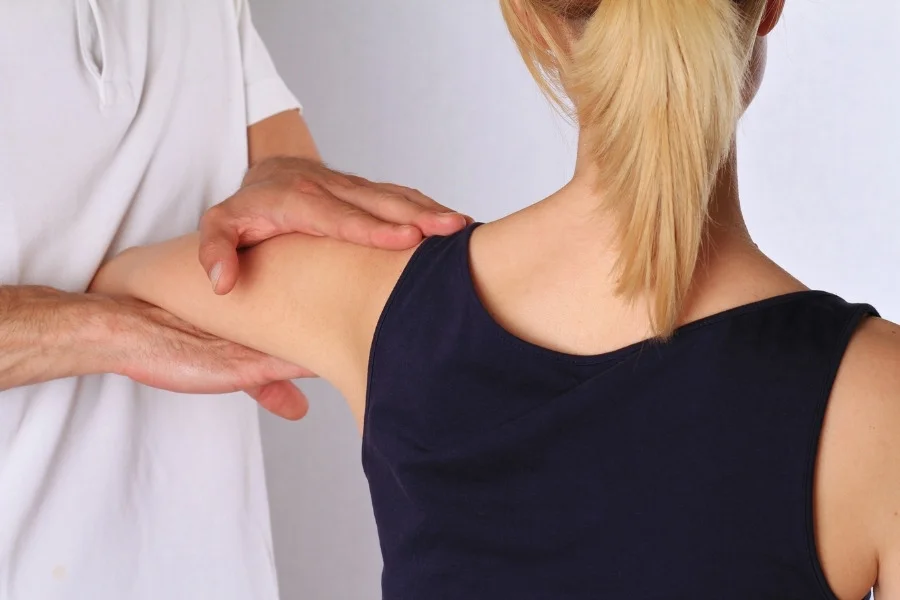
Ice and Heat: Applying cold compresses can help relieve pain and swelling on the site of spurs. In contrast, heat therapy treats the joint stiffness. It also stimulates blood circulation to the affected area, helping your joints to heal.
Activity Modifications: Reducing shoulder activities and resting your shoulder not only helps pain but also allows time for inflammation to heal. Rest is very important and return to activity should be discussed with your doctor.
Weight management: Regular exercise and weight loss practices have also proved to treat bone spurs by helping to improve osteoarthritis. However, if the above treatment approaches fail to relieve symptoms, the only option left is surgical treatment.
Surgery
For severe cases of bone spurs, the most commonly recommended types of bone spur surgery are:
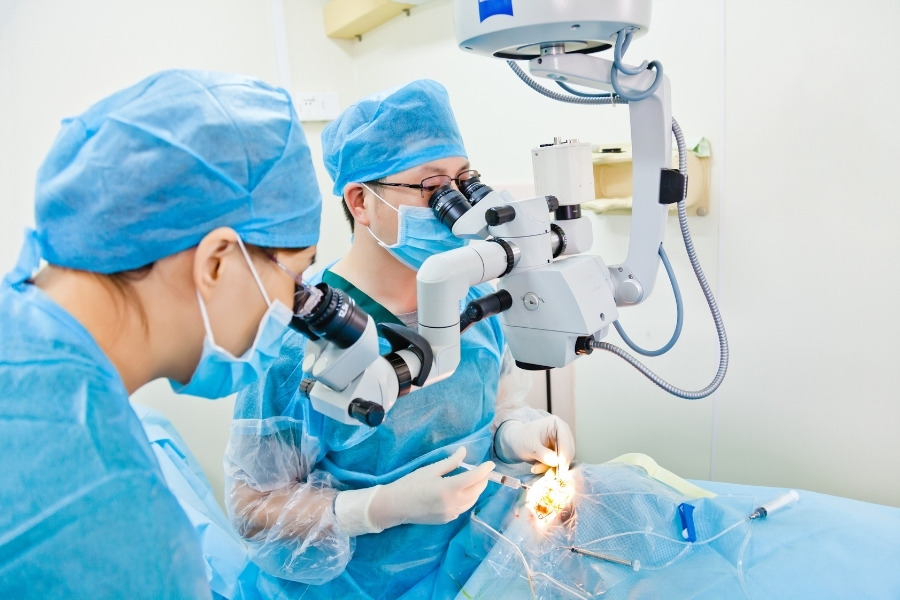
Arthroscopic Shoulder Surgery: This minimally invasive approach involves removing bone spurs and any damaged tissue through small incisions with use of a camera.
Open Surgery: In more severe cases, open surgery might be necessary to remove larger bone spurs and repair any significant damage to the shoulder structures.
Some other effective surgical techniques involve subacromial decompression (bone spur removal and fixing the injured tendon to the humerus bone) and arthroplasty (shoulder replacement). Other approaches typically consider these procedures after treatment failure.
Frequently Asked Questions (FAQS)
What are some ways to diagnose a shoulder bone spur?
Diagnosing a shoulder bone spur involves a combination of methods. These are the most common ways doctors evaluate for bone spurs: Physical examination, MRI, X-rays, CT scan, and Ultrasound.
Are shoulder bone spurs painful?
Most people with bone spurs do not experience severe painful symptoms. However, some might feel pain and discomfort in the shoulder if the spurs irritate surrounding tissues.
Can shoulder bone spurs go away on their own?
Shoulder bone spurs do not go away on their own. The symptoms can be managed either through surgical or non-surgical approaches.
What are the complications associated with bone spur treatment?
Different bone spur treatments can cause various complications. For example, corticosteroid injections may cause temporary pain or swelling where they’re given. Also, physical therapy might cause discomfort initially as your shoulder adjusts. Finally, surgery carries risks like infection, bleeding, and possible damage to nearby tissues or nerves.
There’s also a chance that bone spurs could come back after surgery. Always discuss these possibilities with your doctor to understand the risks and benefits of treatment.
Does osteoarthritis lead to the development of shoulder bone spurs?
Yes, osteoarthritis can contribute to the development of shoulder bone spurs. Osteoarthritis occurs when the cartilage in the shoulder joint wears down over time. As a result, the body may respond by forming bony lumps, known as bone spurs, along the edges of the joint. These spurs can lead to pain and reduced shoulder mobility.
Can I get a barbotage procedure for bone spurs?
Barbotage is a procedure typically used to treat calcium deposits and conditions like Hydroxyapatite Deposition Disease (HADD). It involves using ultrasound imaging and a needle to break up and remove calcific deposits from tendons. While this technique is effective for calcium-related shoulder issues, its application for bone spurs is less common and not widely recommended because bone spurs are harder growths than calcium deposits on tendons.