

Table of Contents
One of the first questions I hear from my patients after an injury or arthritis diagnosis is, “Do I need surgery?”
I know that can feel overwhelming, and it’s natural to be uncertain or anxious. That’s why I always reassure my patients that surgery isn’t always necessary.
Even though I perform joint surgeries every week, I never rush anyone into the operating room.
As my colleague Dr. Julia Iafrate, a double board-certified sports medicine and rehabilitation specialist, explains, “Our body has this inherent ability to want to heal itself. We’re just trying to help it along.”
This is exactly what I focus on during my practice. Rather than replacing your joint right away, I recommend treatments that may support your body’s natural repair processes and help preserve the joint.
In this blog, I’ll share some effective alternatives to joint surgery that help you reduce pain, regain movement, and keep doing the activities you love.
Key Takeaways
- PRP and orthobiologics may help your joints heal naturally, reduce inflammation, and often delay or reduce the need for surgery.
- Guided physical therapy, cross-training, and a balanced diet help strengthen your joints and speed recovery.
- While surgery may sometimes be necessary, today’s techniques are safer, precise, and speed up recovery.
Why Non-Surgical Options Matter
Many people come to my clinic believing surgery is the only solution for joint pain. I understand why, it’s often because of what you’ve heard from friends or read online.
But most of the time, I start with non-surgical options such as:
- PRP injections
- Guided physical therapy
- Targeted rehabilitation
These often reduce pain, restore movement, and help you return to your favorite activities without the risks and downtime of surgery.
If non-surgical options aren’t effective, we’ll have a discussion about surgery together. I’ll make sure you understand every option and feel supported in deciding what’s best for your joints.
Book a Consultation with Dr. Pamela Mehta, MD
The Best Orthopedic Surgeon in San Jose
Dr. Mehta is a board-certified orthopedic surgeon who can help you recover from your joint condition. If you:
- Are Suffering From Pain and Mobility Issues
- Need Orthopedic Assessment and Advice
- Want Treatment From a Top Orthopedic Doctor
We Can Help
Alternatives to Joint Surgery
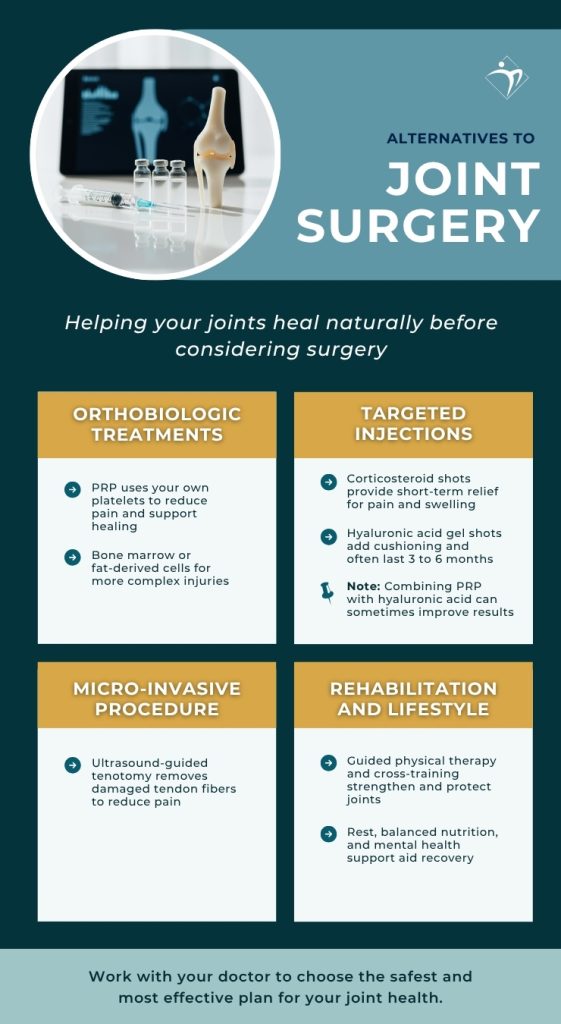
Orthobiologic Treatments
Orthobiologics use your body’s own healing ability and may reduce pain or slow the progression of joint problems. These include:
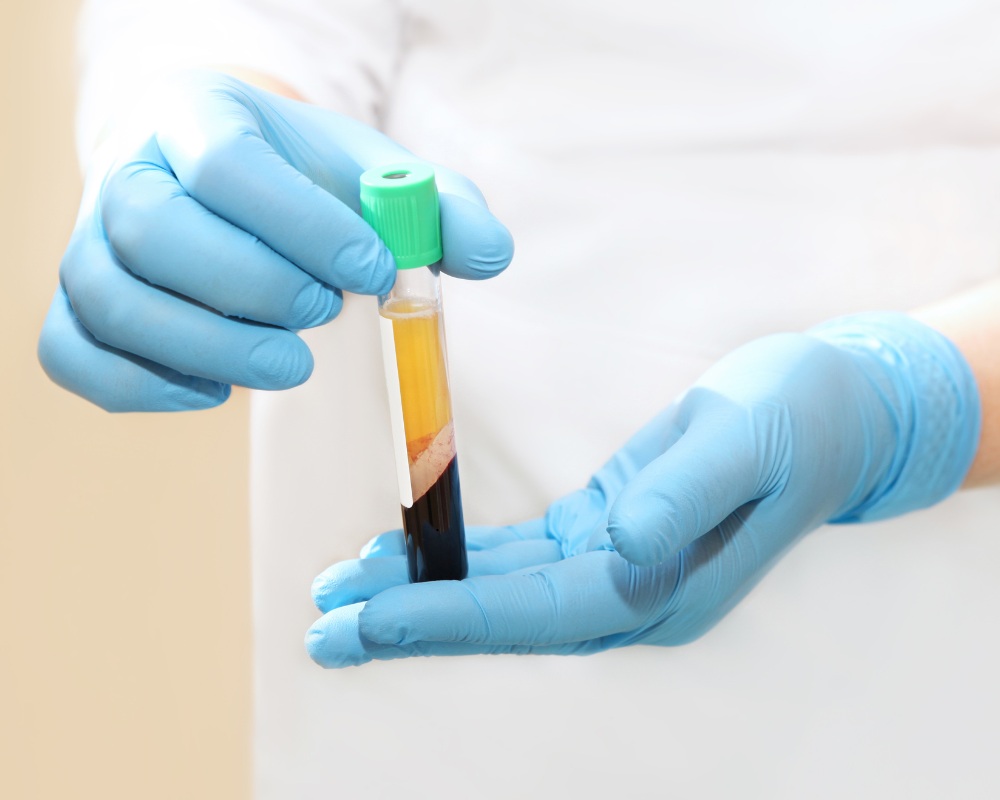
- Platelet-Rich Plasma (PRP): Concentrates your own platelets (cells rich in growth factors) to help reduce pain, ease inflammation, and support healing.
- Stem cells: Harvested from your own bone marrow or fat tissue, these cells release signals that activate your body’s own repair cells to support healing in joints, tendons, or ligaments. They’re often used for more complex injuries or when extra regenerative support is needed.
Platelet-Rich Plasma (PRP) for Joint Healing
PRP is a widely used orthobiologic treatment because it’s simple and often well-tolerated. Many of my patients share that, over time, they notice:
- Less swelling and stiffness
- Better range of motion
- A slower progression of arthritis symptoms
Dr. Iafrate calls PRP, “The easiest for patients and doctors. It’s quick, effective, and the literature strongly supports its use for joint preservation.”
Research has shown that PRP can reduce pain, improve movement, and offer longer relief compared to traditional options like gel shots or cortisone injections.
In certain cases, it may even delay the need for knee replacement surgery.
Targeted Injections
Sometimes, targeted injections can give a sore joint the room it needs to begin healing. Some of the commonly used options are:
- Corticosteroid injections offershort-term relief, usually for a few weeks, and may help reduce inflammation and improve movement.
- Hyaluronic acid injections may also ease pain and mobility, though the effect is temporary, lasting up to about six months.
But combining corticosteroids or PRP with hyaluronic acid may offer better results than hyaluronic acid alone.
Exploring Your Non-Surgical Options
When your joint pain flares up, you might wonder what will help you feel better faster.
Here’s a comparison of three common treatments we may discuss before surgery:
| Treatment | Best For | What You Might Notice | Relief Time | Downtime |
| PRP (Platelet-Rich Plasma) | Early arthritis, tendon pain, or overuse injuries | Improvement of stiffness over a few weeks | Often 6–12 months | Usually 1–3 days of mild soreness |
| Stem Cells | Moderate-to-advanced joint, tendon, or ligament injuries that need extra healing support | Gradual improvement in pain and movement | Often 1–3 months, with benefits continuing over time | Mild soreness for 1-2 days; most resume normal activities right away |
| Corticosteroid Shot | For flare-ups with swelling | Relief in a few days, swelling reduces quickly | About 4–6 weeks | Light activity break for 24–48 h |
| Hyaluronic Acid (“Gel”) | Mild-to-moderate knee arthritis needing extra cushioning | Joints feel less stiff after 2 to 4 weeks | Around 3–6 months | Most return to normal routine right away |
Micro-Invasive Procedures
For some people with stubborn tendon pain, I may recommend an ultrasound-guided tenotomy.
It’s a minimally invasive procedure that removes only the injured tendon fibers while leaving the healthy tissue intact. This procedure often eases pain at its source and allows the joint to move more comfortably again.
Rehabilitation and Cross-Training
No recovery plan is complete without movement. After any procedure, I recommend my patients to:
- Begin with guided physical therapy to restore range of motion
- Add exercises to strengthen the muscles around your joints to protect and stabilize them
- Focus on cross-training activities like swimming, cycling, or resistance training to avoid overloading one area and to build balanced strength
These steps protect the joints and help the body heal, and lower the risk of future injuries.
As Dr. Iafrate often says, “Cross-training has to be part of the workout — whether you like it or not.”
For young female athletes in particular, this balance matters even more. They face a higher risk of ACL injuries compared to their male peers.
Dr. Iafrate points out that, “Girls go through growth spurts earlier, sometimes before their neuromuscular control has developed. Add hormonal changes, and their landing biomechanics can put them at higher risk.”
This way, we can target the right muscles like the gluteus medius (the “side-butt” muscle) to give the knee better support and lower the risk of injury.

Lifestyle and Supportive Care
The choices you make every day give your joints the best chance to heal well and stay strong. I ask patients to focus on:
- Rest and balanced nutrition to give your body the energy and recovery time it needs
- Working with a sports psychologist if being sidelined feels emotionally overwhelming
- Preventive training to reduce the risk of future injuries and keep your joints strong
When to Consider Joint Surgery Instead of Injections
For many people, injections, physical therapy, and lifestyle changes make a real difference. But sometimes, despite our best efforts, surgery may be the best option.
We may start considering it when:
- Constant pain gets in the way of activities like walking, sleeping, and even getting dressed
- The joint feels unstable or “gives out,” making it hard to trust your own movement
- Non-surgical treatments have been ineffective
- Scans like X-rays or MRIs show damage that simply can’t heal on its own
If that’s where you find yourself, we’ll talk it through together. The reassuring part is that surgeries today are minimally invasive, and recovery is often smoother and quicker than it used to be.
I’ll help you weigh your options, so you feel supported every step of the way.
Want to hear more about why surgery isn’t always the first answer? Watch my conversation with Dr. Julia Iafrate:

Being Careful With Regenerative Treatments
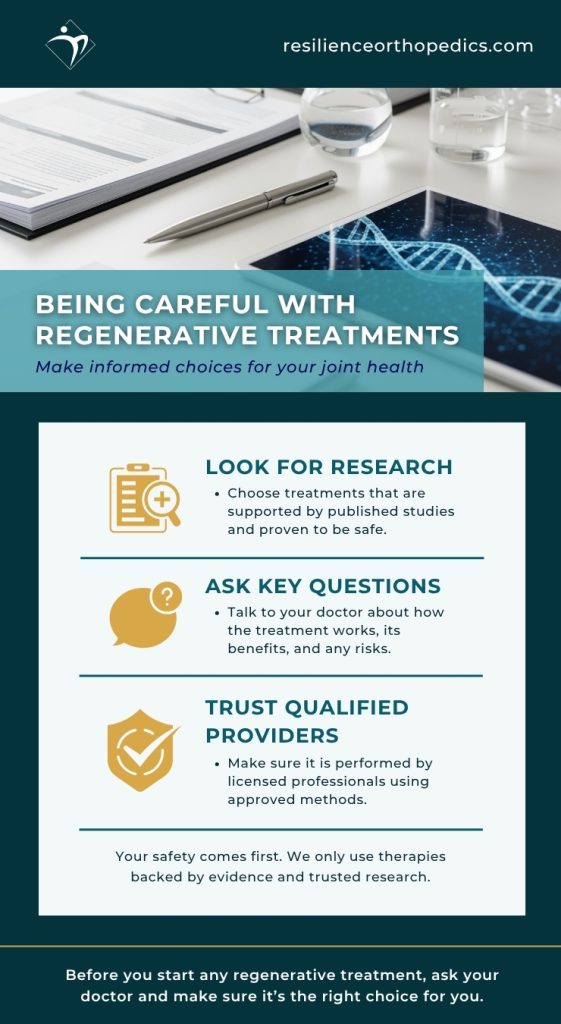
You may have seen “regenerative medicine” treatments advertised in different clinics. Some of them sound exciting, but not all are backed by science.
Dr. Julia Iafrate cautions, “There’s a bit of a Wild West with devices and kits. You need to know what you’re putting into your patients.”
That’s why I’m careful about what I recommend. I only use therapies that are proven to be safe and supported by research, because your health and trust always come first.
If you’re considering regenerative options, ask questions about the evidence and make sure you understand what’s being offered before moving forward.
Finding Relief Without Surgery
Joint pain doesn’t always mean knee surgery or shoulder surgery. Many people feel better with non-surgical treatment options.
But if surgery is needed, we guide you every step of the way. You deserve a plan that keeps you active, strong, and confident.