


Table of Contents
Plantar fasciitis can change the way your day begins. The first step out of bed may feel like walking on broken glass, standing on a nail, or carrying a deep burn through the sole of your foot. The pain is often sharp and stubborn, and it can be frustrating when it interferes with your daily routine.
At Resilience Orthopedics, we’ve been helping patients in San Jose and the Bay Area find relief from plantar fasciitis for years.
Here’s what you need to know, and how we can help you start feeling better again.
Key Takeaways:
- Plantar fasciitis is painful, but treatable.
- Early diagnosis and targeted treatment may reduce pain and help you get back to daily activities comfortably.
- Supportive footwear, stretching, strengthening exercises, and mindful activity can protect your feet and ease discomfort.
- An orthopedic specialist can identify what’s causing your heel pain and create a personalized plan to help you heal and prevent future flare-ups.
What is Plantar Fasciitis?
Plantar fasciitis occurs when the plantar fascia becomes inflamed. It is a thick band of tissue that runs from your toes to your heel. This band supports your arch and absorbs impact while you walk, run, or stand. Because it works so hard, it is naturally prone to stress.
When that stress increases, the plantar fascia can develop tiny microtears. This often happens from standing for long periods, a sudden increase in activity, or regularly moving on hard surfaces.
These microtears trigger inflammation, which may lead to pain, tenderness, and sometimes swelling.
Book a Consultation with Dr. Pamela Mehta, MD
The Best Orthopedic Surgeon in San Jose
Dr. Mehta is a board-certified orthopedic surgeon who can help you recover from your joint condition. If you:
- Are Suffering From Pain and Mobility Issues
- Need Orthopedic Assessment and Advice
- Want Treatment From a Top Orthopedic Doctor
We Can Help
Signs You Might Have Plantar Fasciitis
Common signs of plantar fascia include:
- Heel pain that worsens in the morning or after rest
- Pain that eases with activity
- Stiffness in the calf muscles
- Tenderness along the inner heel
Heel pain may also occur due to heel spurs or tendonitis.
Here’s a comparison of the key differences:
| Feature | Plantar Fasciitis | Heel Spurs | Tendonitis |
| Pain Location | Bottom of heel near the arch | Bottom of heel under heel bone | Back of heel (Achilles) or inside ankle/arch |
| Pain Timing | Worst with first steps or after rest | Similar to plantar fasciitis; often coexists | Worsens with activity, like running or stairs |
| Pain Type | Sharp, stabbing | Dull or sharp if inflamed | Aching, burning, or stiffness |
| Swelling | Sometimes | Rare unless inflamed | Common around tendon insertion |
| Tenderness | Along plantar fascia near heel | Localized to heel bone | Along tendon path |
| Stiffness | Morning stiffness common | May feel stiff if fascia involved | Stiff after rest or activity |
| Visible Signs | Usually none | Bony protrusion on X-ray | Swelling or thickening along tendon |
| Aggravating Activities | Standing, walking, running | Similar to plantar fasciitis | Jumping, running, uphill walking |
| Response to Rest | Improves but returns with movement | Similar to plantar fasciitis | May improve but stiffness can persist |
Risk Factors & Prevention for Plantar Fasciitis
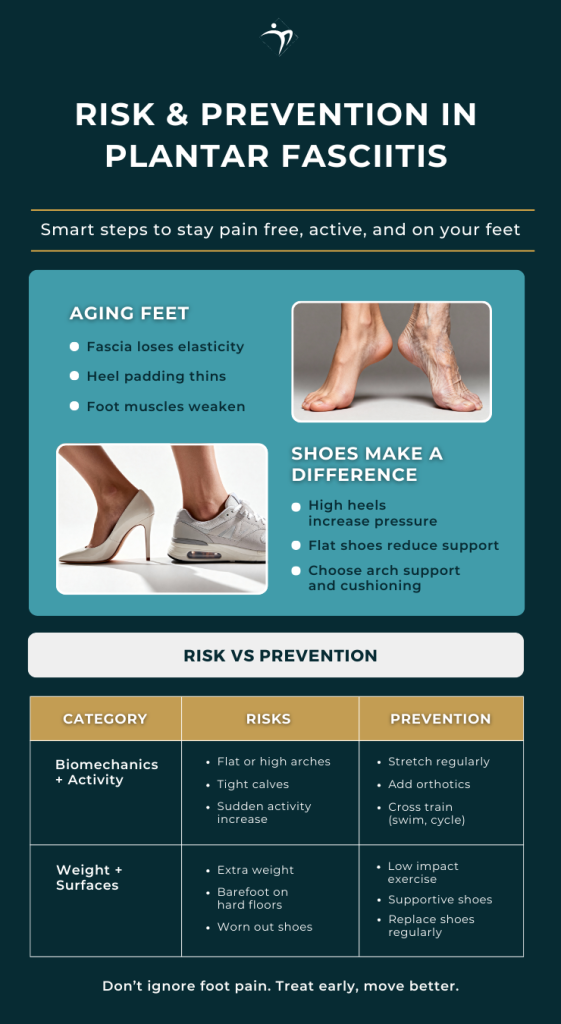
As we age, the plantar fascia loses elasticity, the heel fat pad thins, foot muscles weaken, and the risk of inflammation increases. One of the simplest ways to protect your feet is through footwear.
Unsupportive shoes, including high heels, increase strain, especially if you have flat feet or high arches. Shoes with good arch support, cushioned heels, and a stable midsole can help reduce risk.
Here are other common risk factors and strategies to prevent or manage plantar fasciitis:
Biomechanical Factors
Flat feet or high arches change weight distribution. Tight calf muscles or a tight Achilles tendon reduce ankle flexibility and increase stress on the fascia.
Stretching and supportive insoles or orthotics target these specific issues, helping ease discomfort.
Activity-Related Factors
Activities like running, jumping, or long hours on your feet can strain the fascia.
To reduce the risk of discomfort or injury:
- Cross-train with low-impact activities like swimming or cycling
- Gradually increase exercise intensity and duration
- Use supportive footwear, anti-fatigue mats, and take regular breaks

Weight and Load
Excess weight or carrying heavy loads adds strain to the feet. You can reduce this stress by taking a few preventive steps:
- Manage weight through diet and low-impact exercise
- Use ergonomic lifting techniques
Footwear and Surfaces
Poor arch support, worn-out shoes, and walking barefoot on hard surfaces put pressure on the fascia.
Replace shoes regularly, choose cushioned, supportive footwear, and wear indoor slippers or sandals to reduce repeated impact.
Lifestyle and Demographics
Middle-aged adults (40–60 years) often experience degenerative changes in the fascia, and a sedentary lifestyle weakens foot muscles.
Regular walking and foot-strengthening exercises can help maintain foot health.
Other Factors
Previous foot injuries can make the fascia prone to inflammation, and systemic conditions like rheumatoid arthritis or ankylosing spondylitis may contribute to heel pain.
Protective footwear, avoiding high-impact activities, and managing underlying conditions with medical guidance help prevent this issue.

How We Diagnose Plantar Fasciitis
Dr. Mehta provides a thorough and personalized assessment for every patient. This includes:
- Detailed medical history
- Physical examination
- Gait analysis
- Additional tests such as lab work or imaging (only when necessary)
While these steps form the framework, the focus is always on your concerns, goals, and expectations.
Non-Surgical Treatment Options
Surgery is only considered when it is necessary. Dr. Mehta focuses on non-surgical approaches first, as plantar fasciitis can often be effectively managed without surgery.
Stretching and Strengthening
Targeted exercises, including calf stretches, plantar fascia–specific stretches, and intrinsic foot muscle exercises, may reduce pain and support the foot arch.
Footwear and Orthotics
Supportive shoes, heel pads, custom orthotics, and splints can help redistribute pressure, provide arch support, and maintain proper foot alignment.

Medications and Injections
NSAIDs or topical analgesics offer short-term relief from pain and inflammation.
In some cases, corticosteroid injections may also be effective in reducing inflammation and pain.
Taping and Bracing
Low-Dye taping, arch supports, and ankle braces provide mechanical support and reduce strain on the fascia.
Manual Therapy
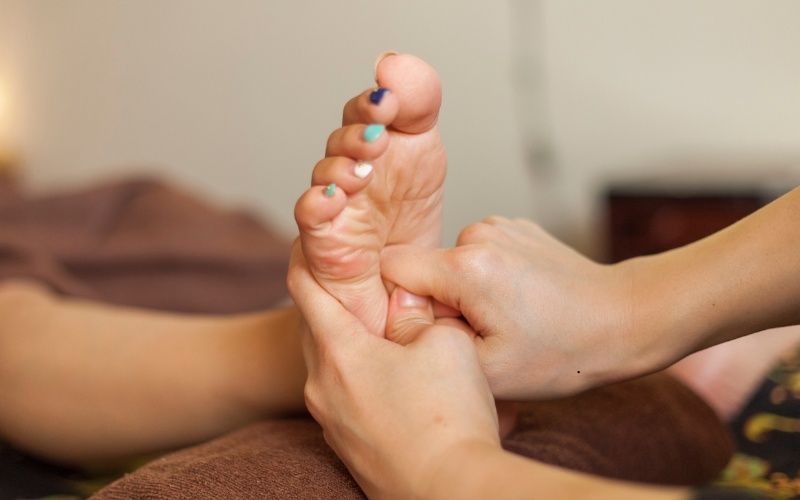
Techniques such as deep tissue massage and myofascial release target tight fascia and surrounding muscles, easing tension and improving mobility.
Advanced Minimally Invasive Treatments
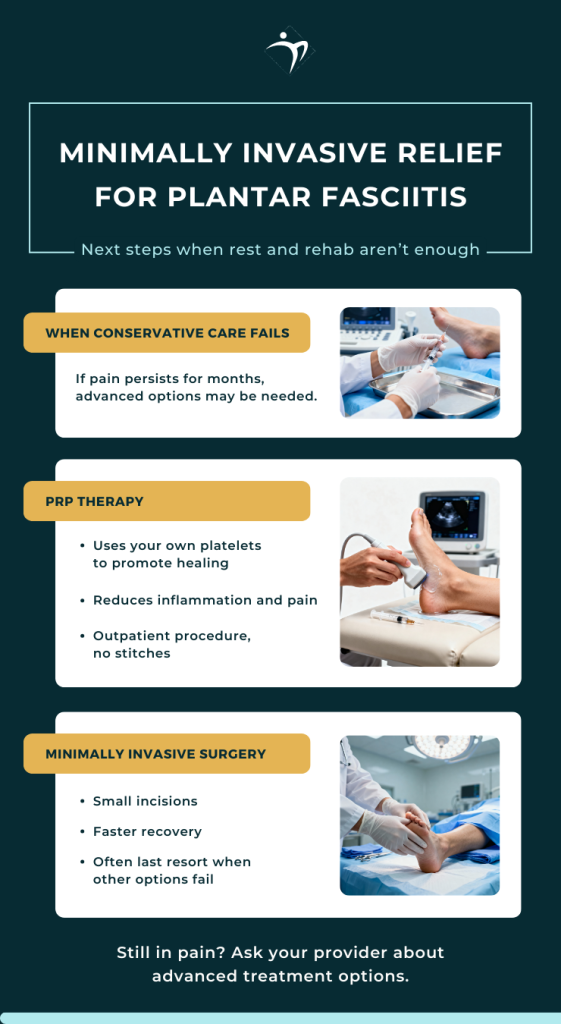
If your symptoms persist after several weeks to months of conservative treatment, Dr. Mehta may recommend minimally invasive treatments to reduce pain and promote healing:
Platelet-Rich Plasma (PRP) Injections
PRP is a cutting-edge regenerative treatment that has been shown to safely reduce pain and improve mobility in plantar fasciitis. This therapy uses your own platelets to stimulate healing and reduce inflammation.
A small sample of your blood is drawn and processed to concentrate the platelets. These are then carefully injected into the affected area, addressing pain right at its source. Most people have minimal downtime, and the PRP walking recovery timeline gives a realistic sense of how quickly you can get back to normal movement.
Surgery
If conservative treatments are ineffective, Dr. Mehta may recommend minimally invasive surgical options.
While surgery can feel intimidating, her extensive experience with plantar fasciitis procedures ensures safe and effective care. Surgery options include:
- Endoscopic plantar fasciotomy
- Open plantar fasciotomy
- Gastrocnemius recession (calf surgery)
Dr. Mehta received specialized training in minimally invasive surgery during both her residency and fellowship.
She performs these procedures through small incisions to reduce downtime and promote faster recovery.
Recovery and Prevention
Patients usually notice gradual pain relief within a few weeks of treatment. Dr. Mehta focuses on “maintenance strategies,” providing treatment while guiding you on how to sustain its benefits.
For plantar fasciitis, this includes:
- Daily stretching
- Using proper footwear
- Weight management
- Tailored exercise programs
At Resilience Orthopedics, we partner with experienced physical therapists who provide additional support during your recovery, helping you regain strength and mobility.
When to See an Orthopedic Foot Specialist
Daily pain while walking isn’t something you should ignore. If your discomfort has lasted several weeks, is getting worse, or is affecting your mobility, it’s time to see a doctor.
Ignoring the pain may lead to problems in other areas of your body. Many people unconsciously adjust their gait or posture to cope, which may put extra strain on the knees, hips, or back.
Early detection helps prevent these complications and helps you to move comfortably again.
CTA: Get expert advice from an Orthopedic Foot Specialist Today!
Why Choose Resilience Orthopedics
Dr. Mehta founded Resilience Orthopedics to provide personalized, state-of-the-art care for every patient. She combines minimally invasive surgery, regenerative medicine, and conservative treatments to create customized treatment plans.
Beyond patient care, Dr. Mehta is committed to leadership and education. She serves as Chief Medical Officer for several shoe and orthotic brands, helping to make their products both safe and effective.
Get Expert Care for Heel Pain in San Jose
Plantar fasciitis can make every step painful, turning ordinary tasks into a struggle. But with the right diagnosis, treatment, and aftercare, this condition can be effectively managed.
FAQs
Can Plantar Fasciitis Heal On Its Own?
Plantar fasciitis rarely improves without targeted care. Consulting an orthopedic specialist helps identify the cause of your pain and develop a plan that addresses it, so you can start healing and prevent long-term issues.
When is Surgery Necessary?
Surgery is considered only when conservative treatments like stretching, orthotics, or minimally invasive procedures haven’t provided relief.
What’s the Fastest Way to Relieve Heel Pain?
Relief often comes from combining stretching exercises, ice therapy, and supportive footwear.
An orthopedic specialist can pinpoint the specific factors contributing to your pain and create a plan that works for you.