

Table of Contents
Do you feel a dull, aching pain behind your kneecap when climbing stairs, squatting, or standing after sitting for a while? This type of knee pain, often called “runner’s knee,” is common among active people in San Jose, including runners, cyclists, and gym-goers.
The underlying cause is chondromalacia patella, which can make everyday movements painful. Dr. Pamela Mehta provides expert care to help patients recover and move comfortably again.
What is Chondromalacia Patella?
Chondromalacia patella occurs when the cartilage under your kneecap softens and becomes irritated, making it painful to bend your knee or put weight on it.
Normally, your kneecap glides smoothly as you move, helping everyday activities like walking, squatting, or climbing stairs feel easy and comfortable.
But when the cartilage wears down or the kneecap shifts out of place, the knee becomes stiff and sore.

What Causes Chondromalacia Patella?
This condition is caused due to repetitive stress on the knee, which irritates the cartilage. Common causes include:
- Overuse from frequent knee bending
- Downhill running or aggressive hill training
- Kneecap that doesn’t move properly
- Muscle weakness
- Acute injury to the kneecap
Runners, cyclists, weightlifters, athletes in court or field sports, and avid hikers are more likely to experience this kind of knee pain.
What are the Symptoms of Chondromalacia Patella?
Symptoms of chondromalacia usually develop gradually. They often start as mild irritation and worsen over time as the cartilage wears with activity.
The most common signs include:
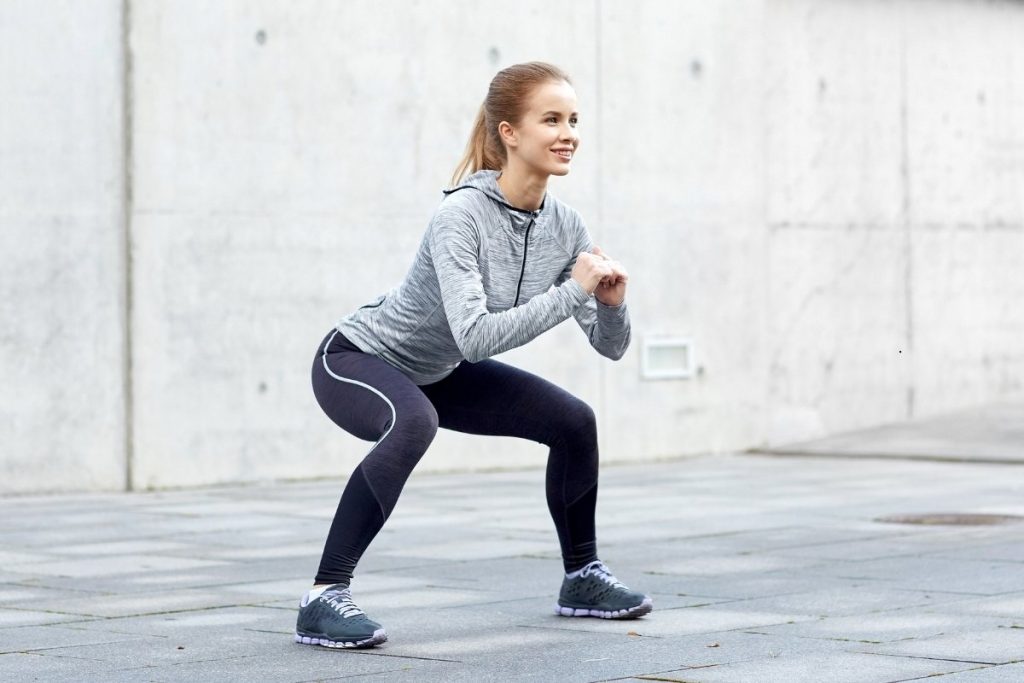
- A dull or aching pain behind the kneecap, especially when climbing stairs, squatting, or sitting for long periods.
- Pain when bending or straightening the knee, particularly during exercise.
- Grinding or clicking in the knee caused by uneven cartilage surface.
- Stiffness after periods of rest.
- Mild swelling around the kneecap.
Book a Consultation with Dr. Pamela Mehta, MD
The Best Orthopedic Surgeon in San Jose
Dr. Mehta is a board-certified orthopedic surgeon who can help you recover from your joint condition. If you:
- Are Suffering From Pain and Mobility Issues
- Need Orthopedic Assessment and Advice
- Want Treatment From a Top Orthopedic Doctor
We Can Help
How Do We Diagnose Chondromalacia Patella?
At Resilience Orthopedics, Dr. Pamela Mehta provides a personalized evaluation, which may include:
- One-on-one conversation: Understanding when symptoms began, their severity, and daily impact
- Physical examination: Assessing knee movement, alignment, and areas of tenderness
- Imaging (if needed): X-rays, CT scans, or MRIs to get a clearer view of bones and soft tissues

How Do We Treat Chondromalacia Patella?
Every patient receives a personalized treatment plan aimed at relieving pain, restoring knee function, and returning to the activities they love.
Treatment Options
We offer a full range of treatments for chondromalacia patella, starting with conservative care whenever possible:
- Non-steroidal anti-inflammatory medications to reduce pain and swelling
- Supportive bracing or taping to improve kneecap alignment
- Targeted physical therapy and icing to strengthen muscles and support natural cartilage recovery
If these treatments aren’t effective, minimally invasive arthroscopic procedures can help smooth damaged cartilage. In rare cases, patellar realignment surgery may be needed to help the kneecap move smoothly and stay properly aligned.

Why Choose Resilience Orthopedics for Chondromalacia Patella Treatment
Dr. Pamela Mehta is a board-certified orthopedic surgeon with 20 years of experience. Under her care, patients receive expert, minimally invasive treatment for chondromalacia patella and other orthopedic conditions.
As a recreational athlete, Dr. Mehta understands knee pain firsthand and approaches treatment with empathy and precision.
We proudly serve San Jose, Los Gatos, Campbell, and the greater South Bay, offering one-on-one concierge care where your questions are answered and your pain is taken seriously.
FAQs
Can Chondromalacia Patella be Cured Permanently?
Mild chondromalacia patella can fully resolve, but extensive cartilage damage is not reversible. Targeted exercises, support braces, NSAIDs, and surgery can help manage symptoms effectively.
What is the Recovery Time for Chondromalacia?
Most patients experience an 80-90% reduction in their pain symptoms within three months of treatment.
Should I Wear a Knee Brace for Chondromalacia Patella?
Knee braces can be very helpful for improving patellar alignment, but every knee is different. Dr. Mehta carefully evaluates your symptoms and movement to determine whether a brace will truly support your recovery and comfort.