

Table of Contents
Your hip shouldn’t hurt when you walk, sit, or move. If it clicks, catches, or feels unstable, you might have a labral tear.
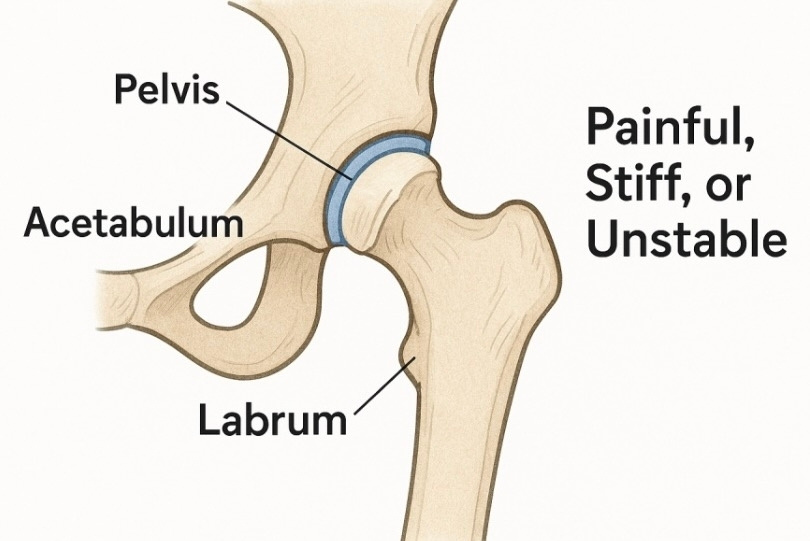
A hip labral tear happens when the labrum, the ring of cartilage that cushions and stabilizes the hip joint, becomes damaged. This can cause pain, stiffness, or a feeling that your hip might give out.
At Resilience Orthopedics, Dr. Pamela Mehta guides patients through every stage of hip labral tear treatment. We start with a clear diagnosis and then create a plan tailored to your goals, helping you move comfortably again.
Book a Consultation with Dr. Pamela Mehta, MD
The Best Orthopedic Surgeon in San Jose
Dr. Mehta is a board-certified orthopedic surgeon who can help you recover from your joint condition. If you:
- Are Suffering From Pain and Mobility Issues
- Need Orthopedic Assessment and Advice
- Want Treatment From a Top Orthopedic Doctor
We Can Help
What is a Hip Labral Tear?
The labrum is a soft ring of cartilage that lines the hip socket. It stabilizes the joint, cushions the hip, and allows smooth movement with each step or pivot.
When the labrum tears, it can make everyday activities like climbing stairs, bending, or getting out of a car uncomfortable.
What Causes a Hip Labral Tear?
Hip labral tears can develop gradually or occur after a sudden injury. Risk often increases with repeated stress on the joint or an underlying structural damage.
Common causes include:
- Repetitive activities such as running, cycling, or ballet
- Sudden twists or impacts in sports like soccer, hockey, or football
- Structural conditions such as hip dysplasia or femoroacetabular impingement (FAI)
- Age-related cartilage wear and tear
- Trauma from falls or car accidents
What are the Symptoms of a Hip Labral Tear?
A hip labral tear often begins with pain that feels different from soreness. It may come and go at first.
Common symptoms include:
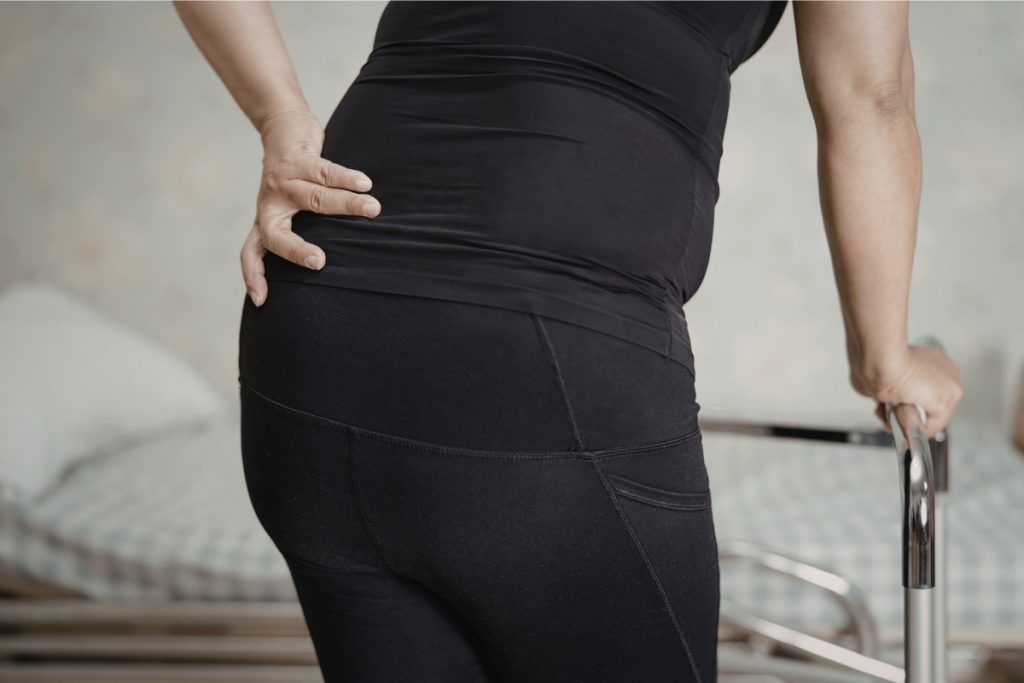
- Sharp pain in the groin, front, or outer hip
- Stiffness or reduced range of motion
- Clicking, locking, or catching in the joint
- Weakness or instability when standing or walking
- Difficulty bending, squatting
What Can I Do to Relieve Symptoms of a Hip Labral Tear?
Here’s how you can reduce strain on the joint and ease discomfort:
- Avoid movements that trigger sharp pain or repeated clicking.
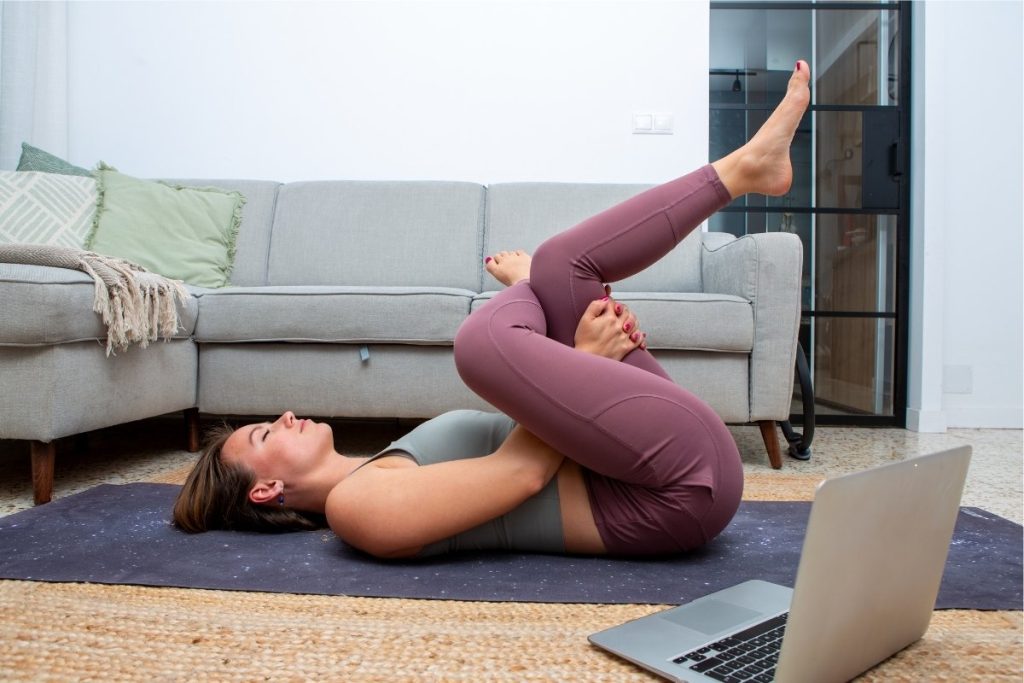
- Try gentle stretches like the hip flexor, figure-four, and seated butterfly to reduce tightness.
- Strengthen the glute, core, and hip stabilizers with exercises such as bridges, clamshells, and leg raises.
- Choose low-impact activities like swimming or cycling to stay active without overloading the joint.
- Use ice after activity to reduce irritation, and heat before movement to reduce stiffness.
- Make small adjustments to how you sit and stand to limit unnecessary strain.
When Should I See a Specialist?
If your hip pain doesn’t improve, gets worse, or starts interfering with daily activities, it’s important to see a specialist.
They can determine whether a labral tear is causing your pain, assess its severity, and guide you to the right treatment.
How is a Hip Labral Tear Diagnosed?
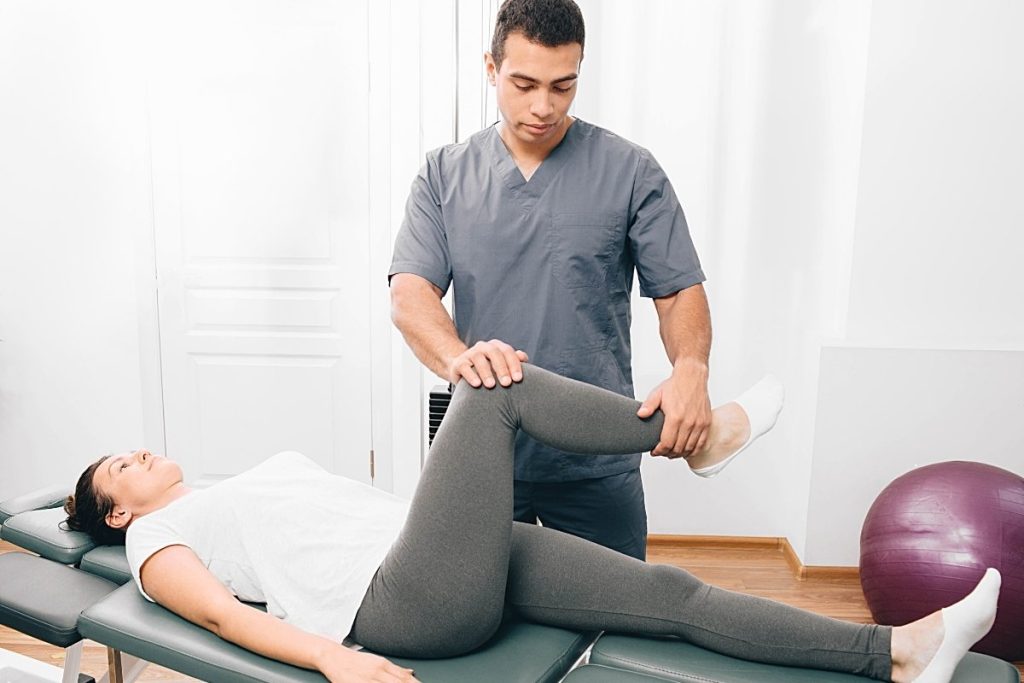
Diagnosing a hip labral tear begins with a review of your symptoms and a physical exam. Dr. Mehta checks your hip’s movement, notes where it hurts, and looks at your medical history.
Common ways to confirm a labral tear include:
- Physical exam: Evaluates how your hip moves and identifies painful areas.
- X-rays: Reveal bone or joint changes that may stress the hip.
- MRI or MR arthrogram: Gives detailed images of the labrum and small tears.
- Hip movement tests: Gentle movements can help recreate symptoms to confirm the problem.
A clear diagnosis helps to create a treatment plan that fits your lifestyle and goals.
How Do We Treat a Hip Labral Tear?
At Resilience Orthopedics, treatment depends on the severity of the tear and your daily needs. It can include non-surgical approaches, surgery, or both.
Non-surgical Options:
- Physical therapy to strengthen hip muscles and improve flexibility.
- Activity modification to reduce stress on the hip.
- Anti-inflammatory medications or injections to manage pain and swelling.
Dr. Mehta focuses on conservative care and recommends surgery only if non-surgical treatments do not relieve your symptoms.

Surgical Options:
- Arthroscopic repair to fix the torn labrum
- Labral debridement to remove the damaged tissue
- Corrective surgery for structural issues
Dr. Mehta supports you throughout your recovery to help you move confidently and live without pain.
How Long Does It Take to Recover from a Hip Labral Tear?
Recovery depends on the size of the tear and the treatment approach.
Recovery With Surgery
Small tears often heal with physical therapy and activity modifications. Most people start feeling better within 6 to 12 weeks. Strength and movement return gradually during this time.
Recovery Without Surgery
If surgery is needed, such as arthroscopic repair, recovery takes longer. Rehabilitation usually lasts 3 to 6 months. You will follow guided exercises and return to activities gradually.
At Resilience Orthopedics, we provide a clear recovery roadmap. Our team supports you through every phase to help you heal safely and steadily.
Why Choose Resilience Orthopedics for a Hip Labral Tear?
We combine expert care with a patient-focused approach. Dr. Mehta listens carefully, evaluates your hip thoroughly, and creates a plan that fits your lifestyle and goals.
She prioritizes conservative care, recommending surgery only when necessary, so you never feel rushed into a procedure.
When physical therapy is part of your recovery, we collaborate closely with trusted therapists to keep your care coordinated and on track. You’ll have clear guidance and steady support throughout your treatment.
FAQs
Do All Hip Labral Tears Need Surgery?
No. Many tears improve with physical therapy, gentle exercises, and activity adjustments. Surgery is usually only recommended if symptoms persist despite these steps.
How Does Treatment at Resilience Orthopedics Work?
We start with a thorough evaluation to identify the cause of your pain. Then we create a personalized plan, which may include therapy, exercises, pain-relief strategies, or surgery if needed. We guide you every step of the way and adjust your care as your hip heals.
How Long Does it Take to Feel Better?
Recovery time depends on how severe the tear is and how it’s treated. Without surgery, many people feel better in a few weeks to a few months. With surgery, recovery can take several months, including physical therapy to rebuild strength and movement.