
Table of Contents
Osteoporosis often goes unnoticed until a minor fall leads to a fracture. It’s called the “silent thief” because it weakens your bones without clear warning signs. The impact can affect your mobility, independence, and comfort.
About one in two women and one in four men over 50 will experience a bone fracture due to osteoporosis. But bone loss doesn’t have to define your future. With the right care, you can protect your bones and stay active. At Resilience Orthopedics, we see fracture care as the start of your recovery. At our San Jose clinic, Dr. Mehta partners with you to help you rebuild strength and prevent future fractures.
Key Takeaways:
- Osteoporosis often goes unnoticed until a fracture occurs.
- That’s why early testing and prevention are necessary.
- Regular exercise, eating calcium and vitamin D-rich foods, and avoiding smoking can help keep bones strong.
- Expert orthopedic care can speed up healing and prevent future fractures.
What is Osteoporosis and Why Does It Matter?
Osteoporosis causes bones to become thin, fragile, and more likely to break. It develops when the body loses bone faster than it can rebuild it. Age, hormonal changes, and lifestyle factors can speed up this process, leaving bones weak and prone to fractures.
A fracture is often the first warning sign. Hip and spine fractures can be especially serious, leading to pain, limited mobility, and long recovery times.
Early diagnosis and treatment make a big difference. With modern bone density testing and effective treatments, you can strengthen your bones and reduce your fracture risk by up to 50%.
Book a Consultation with Dr. Pamela Mehta, MD
The Best Orthopedic Surgeon in San Jose
Dr. Mehta is a board-certified orthopedic surgeon who can help you recover from your joint condition. If you:
- Are Suffering From Pain and Mobility Issues
- Need Orthopedic Assessment and Advice
- Want Treatment From a Top Orthopedic Doctor
We Can Help
Who is at Risk for Osteoporosis?
Osteoporosis can affect anyone, but some people are more vulnerable than others. Knowing your risks can help you protect your bone health early on.
- Age and Family History: Bone naturally thins with age, and a family history of osteoporosis can increase your likelihood of developing it.
- Lifestyle and Nutrition: Not getting enough calcium or vitamin D, or skipping weight-bearing exercise, may weaken bones over time.
- Limited Sun Exposure: Spending much of the day indoors (common in the Bay Area) may lower vitamin D levels.
- Medical Conditions and Medications: Long-term steroid use and hormone imbalances may slow bone renewal and reduce bone density.
- Smoking and Alcohol Use: Both smoking and heavy alcohol use interfere with bone repair, making bones more fragile.
- Body Composition: People with smaller frames or lower body weight tend to have less bone mass. Even a mild bone loss can impact the overall strength and balance.

How Osteoporosis Affects Men and Women Differently
Osteoporosis progresses differently in men and women due to hormonal changes.
In women, estrogen helps maintain bone strength. After menopause, estrogen levels drop, which speeds up bone loss. Most women lose about 10% of their bone density during this transition. This makes fractures of the hip, wrist, and spine far more common.
Men lose bone more gradually because testosterone declines slowly with age. Their risk often becomes significant about a decade later.
Because of these differences, postmenopausal women and men over 65 should get regular bone density tests.
At Resilience Orthopedics, Dr. Mehta tailors each care plan to a patient’s age, hormone status, and overall health. This personalized approach helps every patient get the right guidance and treatment for strong, healthy bones.
How We Diagnose Bone Health in San Jose
At Resilience Orthopedics, we use advanced diagnostics to assess bone strength and detect early signs of bone loss. This allows us to create a customized plan for your needs.
Bone Density Testing (DEXA Scan)
A DEXA scan is the gold standard for measuring bone density. It’s quick, painless, and shows whether your bones are normal, mildly weakened (osteopenia), or osteoporotic.

Comprehensive Blood Work
Blood tests can help find the underlying causes of bone loss. These may include:
- Vitamin D levels
- Calcium levels
- Parathyroid (PTH) and thyroid function
These tests help us identify all the important factors for protecting your bones.
FRAX Score Assessment
We calculate your FRAX score to estimate your 10-year risk of fracture. This helps us take proactive steps to protect your bones early on.
Imaging
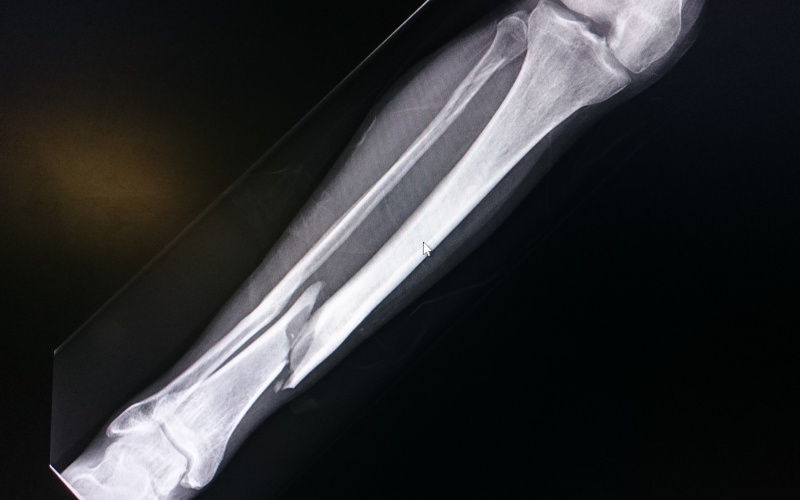
If a fracture is suspected, on-site imaging provides a fast and accurate diagnosis. This allows timely treatment without the need to visit multiple locations.
Using these results, Dr. Mehta creates a plan that:
- Supports bone health
- Balances your hormones
- Reduces your risk of future fractures
Conservative Treatment Options
At Resilience Orthopedics, we focus on restoring bone strength with personalized, science-based care. Dr. Mehta begins with gentle, non-invasive treatments to improve bone health before considering medication.
Lifestyle and Nutrition
Strong bones start with daily habits. We emphasize getting enough calcium and vitamin D. Simple changes like adding calcium-rich foods to your diet or spending a few minutes in the sun can make a difference.
Exercise Therapy
Movement encourages bones to rebuild and grow stronger. Through safe, guided weight-bearing and balance exercises, Dr. Mehta helps patients improve bone density, stability, and coordination.

Medications (When Needed)
If lifestyle changes aren’t enough, medications may help slow or even reverse bone loss:
- Bisphosphonates slow bone breakdown and maintain density.
- Denosumab reduces bone resorption and lowers fracture risk.
- Anabolic agents (Teriparatide, Romosozumab) stimulate new bone growth in advanced cases.
- Hormone therapy supports bone renewal in select postmenopausal women.
Monitoring and Ongoing Care
Healing your bones isn’t a one-time fix. Regular DEXA scans, usually every 1–2 years, allow Dr. Mehta to track your progress and adjust your plan as needed.
She focuses on helping you understand your bone health and supporting steady improvements with minimal side effects.

Advanced Treatments for Fractures
At Resilience Orthopedics, we help patients recover from fragile bone fractures using advanced orthopedic techniques. Under Dr. Mehta’s guidance, every treatment plan focuses on rebuilding your strength.
Minimally Invasive Fracture Care
For spinal compression fractures, vertebroplasty and kyphoplasty offer simple, low-risk solutions.
These procedures stabilize the spine, relieve pain, and restore height. Using medical-grade bone cement, they provide support to weakened vertebrae and help you regain mobility.

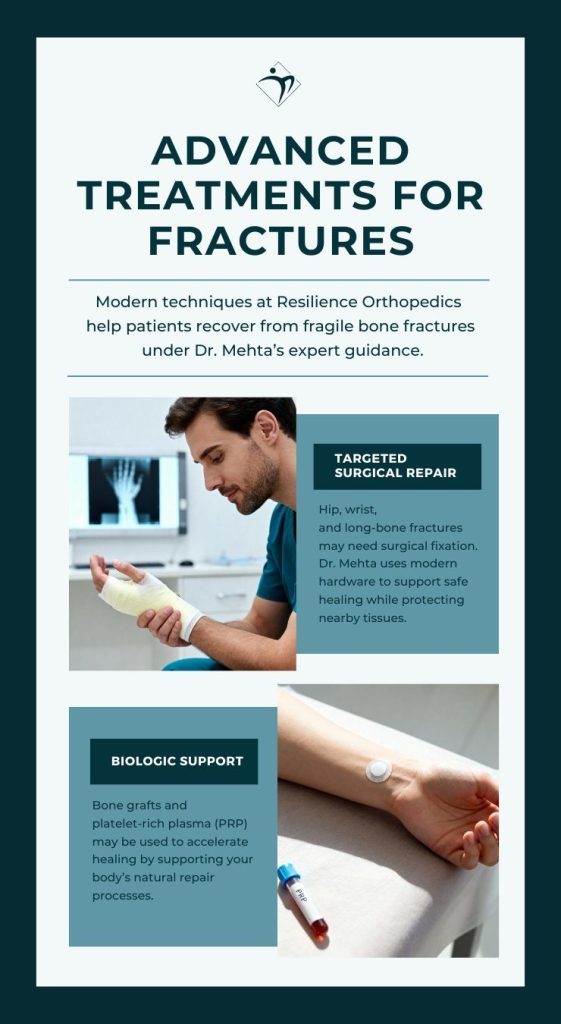
Targeted Surgical Repair
Fractures in the hip, wrist, or long bones may require surgical repair or fixation. Dr. Mehta uses modern techniques to promote safe bone healing while protecting surrounding tissues.
Biologic Support
In certain cases, bone grafts or platelet-rich plasma (PRP) may be recommended to accelerate healing and strengthen bones. These treatments work with your body’s natural repair processes to support healthier, more effective recovery.
Recovery Timeline and Rehabilitation
Recovery time varies depending on the severity of the fracture. Most people begin moving and returning to normal activities within 6 to 12 weeks. During this period, the focus gradually shifts from managing pain to rebuilding strength and flexibility.
Dr. Mehta monitors your journey closely so that you can go through each stage safely. Once the bone is stable, physical therapy and balance training help restore strength, coordination, and mobility.
Preventing Future Fractures
Strong bones benefit from practical daily protection. Dr. Mehta recommends:
- Creating a safe home: Remove loose rugs, improve lighting, and add handrails where needed.
- Wearing supportive footwear: Shoes with firm soles and good traction help prevent slips.
- Improving posture and core strength: Good posture and core stability improve balance and reduce strain on bones.
- Staying active year-round: Light walking or strength exercises help maintain bone density.

When to See an Orthopedic Bone Specialist
Osteoporosis often develops quietly, but your body may give subtle warning signs as your bones begin to weaken.
Noticing these early signals can help you address problems before they lead to serious injury:
- Experienced a fracture from a minor fall
- Sudden or unexplained back pain
- Lost height or developed a stooped posture
- Persistent or chronic bone pain
These are common signs of underlying bone loss. At Resilience Orthopedics, we offer same-day or next-day consultations.
You don’t have to wait weeks to understand your bone health. Our goal is to help you stay one step ahead of osteoporosis.

Why Choose Resilience Orthopedics
The right orthopedic care can speed recovery and help you stay strong for years to come.
At Resilience Orthopedics, Dr. Pamela Mehta provides gentle, minimally invasive fracture treatment and comprehensive bone health care. Here’s what you can expect:
- Comprehensive Expertise: Dr. Mehta identifies the underlying cause of bone weakness and helps patients regain strength, balance, and mobility.
- Coordinated Care: Check-ups, imaging, and physical therapy are all available in one location, making treatment simpler and more efficient.
- Personalized Plans: Every patient receives a treatment plan tailored to their lifestyle, age, and medical history.
- Community Focus: We proudly serve San Jose, Los Gatos, Campbell, and the surrounding South Bay, providing expert orthopedic care close to home.
Get Expert Osteoporosis and Fracture Care in San Jose
Your bones support every step you take, and keeping them strong begins with expert care.
Don’t wait for a fracture to take you by surprise. Schedule a consultation with Dr. Mehta today to protect your bones and maintain steady, confident movement.
FAQs
Can Osteoporosis be Reversed?
Osteoporosis usually cannot be fully reversed, but it can be managed and slowed. With the right combination of medication, a balanced diet, and regular exercise, many people gradually improve their bone density.
How Long Does it Take to Rebuild Bone Density?
Rebuilding bone is a slow, steady process. Most patients see measurable improvement within 6 to 12 months. Regular DEXA scans, typically every 1–2 years, help track progress and ensure your treatment plan is effective.
Why Does Osteoporosis Affect Women More Than Men?
Women are more prone to osteoporosis due to lower estrogen levels, which speed up bone loss. Smaller bone size also makes changes in density more noticeable. Men can develop osteoporosis too, but usually later in life.
Is Surgery Always Required for Fractures?
Not always. Many fractures can heal with rest, bracing, or physical therapy. Surgery is generally reserved for severe breaks in areas such as the hip, spine, or wrist.